Buy securetechnologies.eu ?
We are moving the project
securetechnologies.eu .
Are you interested in purchasing the domain
securetechnologies.eu ?
domain@kv-gmbh.de · 0541-91531010
Buy securetechnologies.eu ?
Is the rubber plant sick?
Based on the description provided, it seems like the rubber plant may be sick. The yellowing leaves, brown spots, and drooping appearance are all signs of potential health issues. It is important to investigate further to determine the exact cause of the plant's symptoms and take appropriate action to help it recover. **
What's wrong with my rubber plant?
There are a few common issues that could be affecting your rubber plant. Yellowing leaves could be a sign of overwatering or underwatering, as well as nutrient deficiencies. Brown spots on the leaves could indicate a fungal or bacterial infection, or even sunburn if the plant has been exposed to direct sunlight. Drooping or wilting leaves may be a sign of underwatering or root rot. It's important to assess the plant's watering schedule, light exposure, and overall health to determine the cause of the issue and take appropriate action. **

Similar search terms for Rubber plant
Top-Angebote
Products related to Rubber plant:
-
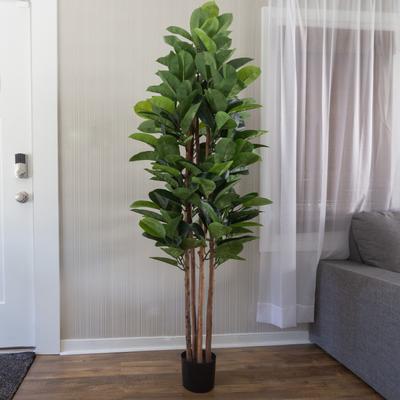
Garvee 4.8 Ft Artificial Dracaena Plant in Pot - Rubber Cloth Faux TreeREALISTIC DRACAENA DESIGN: Lush green leaves and a natural-looking trunk replicate the appearance of a live dracaena tree, bringing fresh tropical style to any indoor space without the upkeep.89,98 $*Shipping: 0,00 $Secure redirect to the provider
-
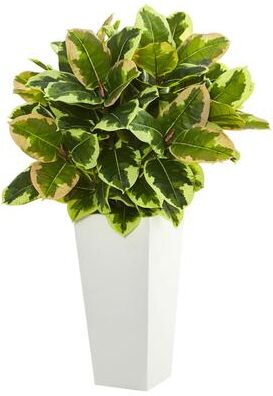
Nearly Natural Variegated Rubber Artificial Plant in White Tower Planter (Real Touch)"The thickly packed broadleaf foliage give this 32"" artificial rubber plant a distinctly realistic look that practically begs to be placed in a spot of prominence, whether in front of a sunny window or in a grand entryway."98,03 $*Shipping: 0,00 $Secure redirect to the provider
-
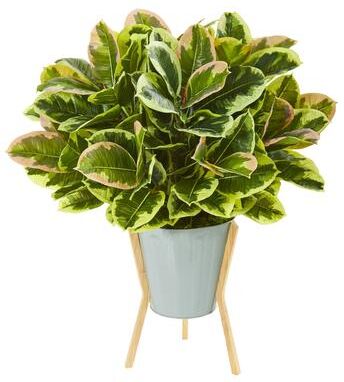
Nearly Natrual "28"" Rubber Leaf Artificial Plant in Green Planter with Stand (Real Touch)"Incorporate elements of Mother Nature to your favorite indoor spaces with this artificial rubber leaf plant boasting a rich overgrowth of brightly colored variegated leaves that feel real to the touch.131,99 $*Shipping: 0,00 $Secure redirect to the provider
-
Artificial Rubber Plant - 51-Inch Faux Tree with Natural-Feel Leaves by Pure Garden (Green)The 51-inch-tall Artificial Rubber Tree by Pure Garden is sure to brighten up any room with its lush greenery and 72 large natural-feel artificial leaves that provide a realistic look with no maintenance required.95,98 $*Shipping: 0,00 $Secure redirect to the provider


-
Can a rubber plant be taken outside?
Rubber plants can be taken outside during the warmer months, but they should be placed in a shaded area to protect them from direct sunlight, which can scorch their leaves. It is important to gradually acclimate the plant to the outdoor environment by slowly increasing the amount of time it spends outside each day. Additionally, be mindful of temperature fluctuations and bring the plant back indoors if temperatures drop below 50°F (10°C). **
-
How can one root a rubber plant?
To root a rubber plant, one can take a cutting from a healthy, mature plant. The cutting should be about 4-6 inches long and taken from a stem with at least two leaves. Remove the lower leaves and dip the cut end in rooting hormone before planting it in a pot with well-draining soil. Keep the soil consistently moist and place the cutting in a warm, humid environment with indirect sunlight. With proper care, the cutting should develop roots in a few weeks and can be transplanted into a larger pot once established. **
-
Why doesn't the rubber plant take root?
The rubber plant may not take root due to several reasons such as overwatering, poor soil drainage, or root rot. Overwatering can lead to waterlogged soil, which can suffocate the roots and prevent them from establishing. Poor soil drainage can also lead to waterlogged conditions, preventing the roots from getting the oxygen they need to grow. Additionally, if the plant is suffering from root rot, it may not be able to establish a healthy root system. It's important to ensure that the rubber plant is planted in well-draining soil and watered appropriately to encourage healthy root growth. **
-
Why is the rubber plant losing leaves?
The rubber plant may be losing leaves due to overwatering, which can lead to root rot and cause the plant to drop leaves. Another possible reason could be insufficient light, as rubber plants require bright, indirect light to thrive. Additionally, fluctuations in temperature or humidity levels can also cause leaf drop in rubber plants. It is important to assess the plant's care routine and environment to determine the underlying cause of leaf loss and make necessary adjustments to promote healthy growth. **

Does the rubber plant get brown edges?
Yes, the rubber plant can develop brown edges on its leaves. This can be caused by a variety of factors such as underwatering, low humidity, or exposure to direct sunlight. To prevent brown edges, it's important to maintain consistent watering, provide adequate humidity, and place the plant in a location with indirect sunlight. Additionally, regularly wiping the leaves with a damp cloth can help keep the plant healthy and prevent browning. **
How often should one water a rubber plant?
Rubber plants should be watered when the top inch of soil feels dry to the touch. Typically, this means watering once every 1-2 weeks, depending on the humidity levels in your home. It's important not to overwater a rubber plant, as this can lead to root rot. It's always best to check the soil moisture before watering to ensure the plant's needs are being met. **
Top-Angebote
Products related to Rubber plant:
-
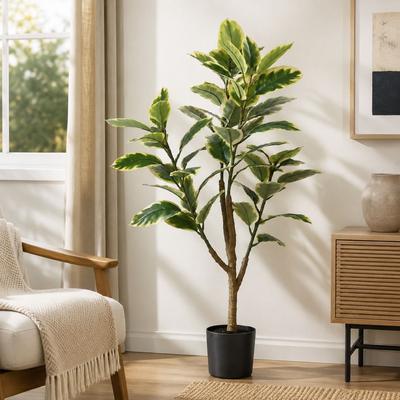
YVANLA Artificial Plant Fake Variegated Rubber Plant PottedLifelike Decorative Potted Greenery for Modern Living Spaces Bring natural greenery into your space with this Artificial Plant Tree, available in Bird of Paradise, Areca Palm, Monstera, Olive Tree, and Fiddle Leaf Fig styles.75,48 $*Shipping: 0,00 $Secure redirect to the provider
-
Pure Garden 70-Inch Artificial Rubber PlantThe 70-inch-tall Artificial Rubber Tree by Pure Garden is sure to brighten up any room with its lush greenery, 203 large natural-feel artificial leaves, and 5 segmented trunks that provide a realistic look with no maintenance required.195,49 $*Shipping: 0,00 $Secure redirect to the provider
-
Garvee 4.8 Ft Artificial Dracaena Plant in Pot - Rubber Cloth Faux TreeREALISTIC DRACAENA DESIGN: Lush green leaves and a natural-looking trunk replicate the appearance of a live dracaena tree, bringing fresh tropical style to any indoor space without the upkeep.89,98 $*Shipping: 0,00 $Secure redirect to the provider
-
Nearly Natural Variegated Rubber Artificial Plant in White Tower Planter (Real Touch)"The thickly packed broadleaf foliage give this 32"" artificial rubber plant a distinctly realistic look that practically begs to be placed in a spot of prominence, whether in front of a sunny window or in a grand entryway."98,03 $*Shipping: 0,00 $Secure redirect to the provider
-
Is the rubber plant sick?
Based on the description provided, it seems like the rubber plant may be sick. The yellowing leaves, brown spots, and drooping appearance are all signs of potential health issues. It is important to investigate further to determine the exact cause of the plant's symptoms and take appropriate action to help it recover. **
-
What's wrong with my rubber plant?
There are a few common issues that could be affecting your rubber plant. Yellowing leaves could be a sign of overwatering or underwatering, as well as nutrient deficiencies. Brown spots on the leaves could indicate a fungal or bacterial infection, or even sunburn if the plant has been exposed to direct sunlight. Drooping or wilting leaves may be a sign of underwatering or root rot. It's important to assess the plant's watering schedule, light exposure, and overall health to determine the cause of the issue and take appropriate action. **
-
Can a rubber plant be taken outside?
Rubber plants can be taken outside during the warmer months, but they should be placed in a shaded area to protect them from direct sunlight, which can scorch their leaves. It is important to gradually acclimate the plant to the outdoor environment by slowly increasing the amount of time it spends outside each day. Additionally, be mindful of temperature fluctuations and bring the plant back indoors if temperatures drop below 50°F (10°C). **
-
How can one root a rubber plant?
To root a rubber plant, one can take a cutting from a healthy, mature plant. The cutting should be about 4-6 inches long and taken from a stem with at least two leaves. Remove the lower leaves and dip the cut end in rooting hormone before planting it in a pot with well-draining soil. Keep the soil consistently moist and place the cutting in a warm, humid environment with indirect sunlight. With proper care, the cutting should develop roots in a few weeks and can be transplanted into a larger pot once established. **
Similar search terms for Rubber plant
-
Nearly Natrual "28"" Rubber Leaf Artificial Plant in Green Planter with Stand (Real Touch)"Incorporate elements of Mother Nature to your favorite indoor spaces with this artificial rubber leaf plant boasting a rich overgrowth of brightly colored variegated leaves that feel real to the touch.131,99 $*Shipping: 0,00 $Secure redirect to the provider
-
Artificial Rubber Plant - 51-Inch Faux Tree with Natural-Feel Leaves by Pure Garden (Green)The 51-inch-tall Artificial Rubber Tree by Pure Garden is sure to brighten up any room with its lush greenery and 72 large natural-feel artificial leaves that provide a realistic look with no maintenance required.95,98 $*Shipping: 0,00 $Secure redirect to the provider
-
YVANLA Artificial Plant Fake Variegated Rubber Plant PottedLifelike Decorative Potted Greenery for Modern Living Spaces Bring natural greenery into your space with this Artificial Plant Tree, available in Bird of Paradise, Areca Palm, Monstera, Olive Tree, and Fiddle Leaf Fig styles.87,48 $*Shipping: 0,00 $Secure redirect to the provider
-
YVANLA Artificial Plant Fake Variegated Rubber Plant PottedLifelike Decorative Potted Greenery for Modern Living Spaces Bring natural greenery into your space with this Artificial Plant Tree, available in Bird of Paradise, Areca Palm, Monstera, Olive Tree, and Fiddle Leaf Fig styles.94,98 $*Shipping: 0,00 $Secure redirect to the provider
-
Why doesn't the rubber plant take root?
The rubber plant may not take root due to several reasons such as overwatering, poor soil drainage, or root rot. Overwatering can lead to waterlogged soil, which can suffocate the roots and prevent them from establishing. Poor soil drainage can also lead to waterlogged conditions, preventing the roots from getting the oxygen they need to grow. Additionally, if the plant is suffering from root rot, it may not be able to establish a healthy root system. It's important to ensure that the rubber plant is planted in well-draining soil and watered appropriately to encourage healthy root growth. **
-
Why is the rubber plant losing leaves?
The rubber plant may be losing leaves due to overwatering, which can lead to root rot and cause the plant to drop leaves. Another possible reason could be insufficient light, as rubber plants require bright, indirect light to thrive. Additionally, fluctuations in temperature or humidity levels can also cause leaf drop in rubber plants. It is important to assess the plant's care routine and environment to determine the underlying cause of leaf loss and make necessary adjustments to promote healthy growth. **
-
Does the rubber plant get brown edges?
Yes, the rubber plant can develop brown edges on its leaves. This can be caused by a variety of factors such as underwatering, low humidity, or exposure to direct sunlight. To prevent brown edges, it's important to maintain consistent watering, provide adequate humidity, and place the plant in a location with indirect sunlight. Additionally, regularly wiping the leaves with a damp cloth can help keep the plant healthy and prevent browning. **
-
How often should one water a rubber plant?
Rubber plants should be watered when the top inch of soil feels dry to the touch. Typically, this means watering once every 1-2 weeks, depending on the humidity levels in your home. It's important not to overwater a rubber plant, as this can lead to root rot. It's always best to check the soil moisture before watering to ensure the plant's needs are being met. **
* All prices are inclusive of VAT and, if applicable, plus shipping costs. The offer information is based on the details provided by the respective shop and is updated through automated processes. Real-time updates do not occur, so deviations can occur in individual cases. ** Note: Parts of this content were created by AI.